Los Angeles, with its warm climate and urban sprawl, provides an ideal environment for various rodent species. From the common house mouse to the more elusive roof rat, these pests can infiltrate homes and businesses, creating significant health risks and property damage. Choosing the right rodent control method is crucial for effective management. With numerous options available, it’s vital to understand the strengths and weaknesses of each approach, allowing you to make an informed decision.
Understanding the Rodent Problem
Before delving into specific control methods, it's essential to grasp why rodent infestations occur in Los Angeles. The city's diverse neighborhoods, ranging from bustling downtown areas to quiet suburbs, create unique challenges for rodent control. Food waste from restaurants and street vendors often attracts rodents. Additionally, poorly maintained properties with overgrown vegetation or debris can provide ideal nesting sites.
In my years of experience dealing with pest control in this vibrant city, I have often encountered homeowners who underestimate the speed at which a small infestation can escalate. A pair of mice can produce dozens of offspring each year if left unchecked. Thus, prompt action is imperative when signs of an infestation are detected.
Evaluating Your Options for Rodent Control
When considering how to tackle a rodent problem, several methods come into play:
Chemical Control: This involves using rodenticides or pesticides specifically designed for rodents. Mechanical Traps: These include snap traps, glue traps, and electronic traps that physically capture or kill rodents. Integrated Pest Management (IPM): A holistic approach that combines multiple strategies tailored to your specific situation. Exclusion Techniques: This focuses on sealing entry points and making the environment less hospitable for rodents. Professional Services: Engaging a reputable rodent control company in Los Angeles can provide expertise and resources not typically available to homeowners.Chemical Control: Pros and Cons
Chemical control often seems like a straightforward solution—simply place bait in strategic locations, and wait for results. However, this method has significant drawbacks and should be approached with caution.
On one hand, rodenticides can be highly effective in quickly reducing populations. They work by poisoning rodents that consume them. However, this method poses risks not only to pets but also to wildlife if non-target species ingest the bait or eat poisoned rodents themselves.
Furthermore, relying solely on chemical solutions doesn’t address underlying issues like food sources or nesting sites. It might result in temporary relief but often leads to repeat infestations.
Mechanical Traps: A Hands-On Approach
Mechanical traps offer a more immediate solution without the need for chemicals. Snap traps are particularly popular due to their effectiveness; they kill rodents quickly when triggered by bait placed on a sensitive plate.
Glue traps are another option but come with ethical concerns as they may cause prolonged suffering before death occurs. Electronic traps provide a humane option by delivering a quick electric shock but can be more expensive than traditional snap traps.
Using mechanical traps requires diligence; regular checks ensure that captured rodents are dealt Rodent Control Inc in Los Angeles CA with promptly and prevent odors from developing in your home or office.
Integrated Pest Management (IPM): A Comprehensive Strategy
Integrated Pest Management is increasingly recognized as one of the most effective ways to approach pest control holistically. This strategy emphasizes understanding the behavior of pests while combining multiple control methods tailored for specific situations.

For instance, IPM might involve setting up mechanical traps while also implementing exclusion techniques by sealing entry points around your property. It may even include environmental modifications such as proper waste management practices—removing food sources that attract rodents in the first place.
From my perspective as someone who has seen various approaches in action, IPM stands out because it addresses both immediate problems and long-term prevention strategies effectively.
Exclusion Techniques: Prevention is Key
Exclusion techniques focus on preventing rodents from entering your property altogether. This involves identifying potential entry points—gaps around pipes, cracks in walls—or holes under doors—and sealing them off with durable materials like steel wool or caulking compounds.
Maintaining cleanliness both inside and outside your home is equally important. Regularly disposing of garbage and keeping food stored securely can significantly reduce attractants that lure rodents close by.
One memorable case involved a local restaurant struggling with frequent infestations despite regular treatments with chemicals and traps. Upon inspection, we discovered several gaps near utility lines leading into their kitchen—it was clear where their problems originated.
Professional Services: When Expertise Matters
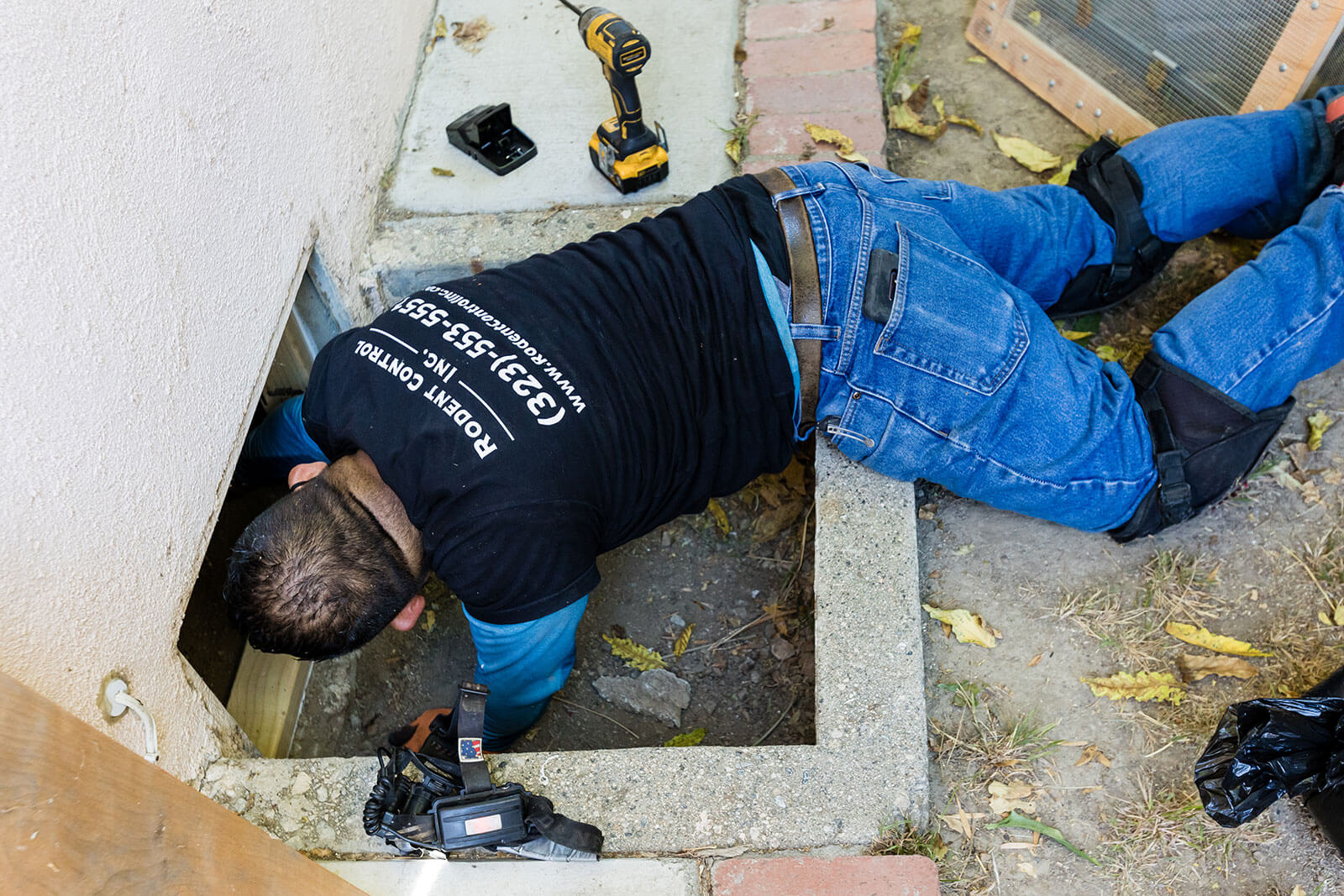
Sometimes DIY solutions simply aren’t enough—this is where hiring a professional rodent control company in Los Angeles comes into play. Experts bring invaluable knowledge about local pest behavior patterns along with access to equipment that may not be feasible for residential use.
Companies like Rodent Control rodentcontrolinc.com rodent control company in Los Angeles Inc., known for their comprehensive services within LA's diverse neighborhoods, offer trained technicians who assess situations thoroughly before recommending appropriate actions tailored specifically for individual properties.
While it might seem tempting to handle everything yourself initially—especially if you’ve caught a few mice—there are scenarios where professional help becomes not just beneficial but necessary due to safety concerns or extensive infestations requiring expert intervention.
Making Your Decision: Weighing Trade-Offs
Each method comes with trade-offs depending on factors such as cost considerations versus effectiveness levels or personal comfort levels regarding handling live traps versus chemicals used indoors.
For example:
- If you're environmentally conscious but still facing an infestation issue — consider mechanical traps combined with exclusion techniques rather than resorting immediately to chemical options. Conversely — if time is critical due either due urgency stemming from health risks associated with particular types of rodents — chemical solutions may provide quicker results despite potential drawbacks around safety concerns later down the line.
Understanding these nuances allows you greater agency over what choice feels right given your circumstances while also keeping safety paramount throughout every step taken towards resolving any ongoing pest crisis effectively without unnecessary harm done elsewhere along way!
Conclusion: The Right Method for You
Choosing between different rodent control methods requires careful consideration of your unique situation within Los Angeles’ diverse landscape filled with challenges related both urbanization coupled alongside natural habitats encouraging higher populations overall compared elsewhere across United States overall!
Whether opting for chemical solutions like those offered through various brands available locally here; utilizing hands-on mechanical devices; employing integrated pest management strategies prioritizing long-term sustainability efforts; focusing primarily upon exclusion techniques aimed solely towards prevention outright; or engaging professional services through established companies such as Rodent Control Inc., understanding all sides involved will empower you toward making informed decisions capable yielding effective outcomes moving forward!